Advanced Driver-Assistance System (ADAS) Calibration After Windshield or Sensor Replacement: What You Absolutely Need to Know
You just got a new windshield. Or maybe a parking sensor got dinged. The repair looks flawless, and you’re ready to hit the road. But here’s the thing—if your car has those fancy safety features like automatic emergency braking or lane keeping, the job is only half done. In fact, the most critical part is invisible.
That’s the world of ADAS calibration. It’s not an optional “nice-to-have.” It’s a mandatory recalibration of the car’s electronic eyes and brain. Skip it, and those life-saving systems might not see the world correctly. They could fail silently, or worse, activate at the wrong time.
Why a Simple Replacement Demands Precise Calibration
Think of your car’s ADAS sensors—the cameras, radars, and lidar units—as its sense of sight and touch. The windshield isn’t just glass anymore; it’s a critical optical component. Many forward-facing cameras are mounted right up against it, peering through a specific, undistorted section.
Even a millimeter of difference in the windshield’s angle or thickness can skew the camera’s view. It’s like putting on someone else’s prescription glasses—everything looks blurry and out of place. The car’s computer makes decisions based on this flawed data. A pedestrian might appear to be slightly off to the side. A lane marker might seem curved.
And radar sensors, often tucked behind the bumper or grille? Their aim is everything. A slight bump during reinstallation can point them at the pavement or the sky, rendering them useless.
When is ADAS Recalibration Necessary?
Honestly, more often than you’d think. Any repair or replacement that disturbs the sensor’s mounting or its line of sight typically requires a check. Here are the big ones:
- Windshield Replacement: This is the most common trigger. Any vehicle with a camera-based system (like Toyota Safety Sense, Subaru EyeSight, Tesla Autopilot, etc.) will need it.
- Front or Rear Bumper Repairs/Replacement: This is where radar and ultrasonic sensors usually live.
- Wheel Alignment or Suspension Work: This changes the car’s ride height and pitch, altering the sensor’s perspective of the road.
- Even a Minor Fender Bender: A shock can knock a sensor out of alignment without any visible damage.
The Two Paths to Precision: Static vs. Dynamic Calibration
Not all calibrations are created equal. There are two main methods, and many modern cars need both. It’s a bit like tuning a guitar—you need the precise tools for the initial tune (static), and then you need to check it sounds right in a real song (dynamic).
| Method | How It Works | Best For |
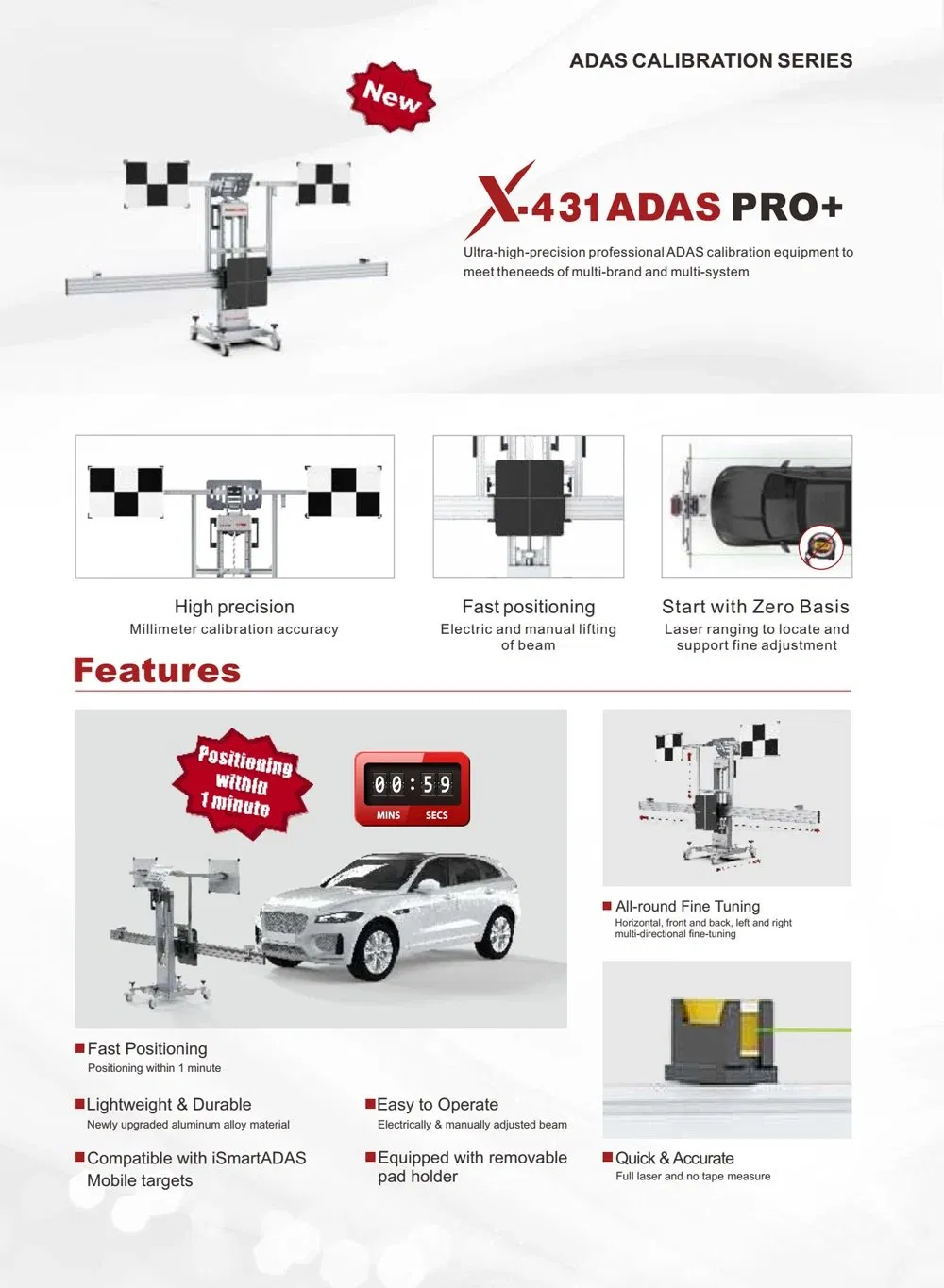
| Static Calibration | Performed in a controlled shop. Technicians use specialized alignment targets, levels, and laser-guided fixtures in relation to the vehicle. The car is connected to a diagnostic computer to run the calibration software. | Forward-facing cameras, radar sensors. Requires a perfectly level floor and specific, manufacturer-approved targets. |
| Dynamic Calibration | The technician drives the vehicle on a clear, marked road at a specific speed. The car’s systems use live road data (lane lines, other vehicles) to self-calibrate. | Often a required follow-up to static calibration for systems like lane departure warning. It “teaches” the system what real-world conditions look like. |
The choice isn’t up to the shop—it’s dictated by the vehicle’s OEM (Original Equipment Manufacturer) procedures. Missing a step can mean the calibration is incomplete.
The Hidden Costs (And Why They’re Worth It)
Let’s be real: ADAS calibration adds to the repair bill. It can range from a couple hundred to over a thousand dollars. This covers the expensive, constantly updated equipment, the specialized training, and the significant time investment—a static calibration alone can take over an hour, plus drive time.
But weigh that against the cost of a system failure. If your automatic emergency braking doesn’t brake because it’s misaligned, what’s the price of that fender-bender—or worse? Insurance companies are increasingly recognizing this and, well, they’re usually covering it when the repair is related to a covered claim.
Navigating the Repair: A Quick Guide for Car Owners
So, what should you do when you need a repair? Don’t just call any glass or body shop. Here’s a practical plan:
- Ask Directly: “Do you perform OEM-specific ADAS calibrations on-site for my make and model?” If they hesitate, look elsewhere.
- Verify Their Setup: A proper calibration bay needs a level floor, ample space, and the latest targets/software. It’s not something done in a parking lot.
- Check Certifications: Look for shops with certifications from I-CAR or specific automaker networks. It shows investment in the right training.
- Get Documentation: Always request the calibration report. A reputable shop will provide a printout showing the procedures followed and a pass/fail status. This is your proof of work.
The Road Ahead: Calibration as Standard Practice
The trend is clear. ADAS is becoming standard, even on base models. And with that, calibration shifts from a niche service to a core part of automotive maintenance. It blurs the lines between mechanical repair, glass work, and advanced electronics.
For drivers, it means a new layer of responsibility—to seek out qualified technicians. For the industry, it’s a relentless push toward higher precision. The car is no longer just a machine; it’s a perceptive entity. And after any surgery on its senses, we must ensure it wakes up seeing the world as it truly is.
That final step, that quiet calibration, is what bridges the gap between a physical repair and restored trust. It’s the silent realignment of a promise—the promise that these systems will see for you when you need them most.
About Author