Sourcing OEM vs aftermarket electronics for modern vehicle computer systems
So your car’s brain is acting up. Maybe it’s a flickering infotainment screen, a check engine light that just won’t quit, or a transmission that shifts like a grumpy teenager. Modern vehicles are rolling supercomputers, and when those computers fail, you face a choice: OEM or aftermarket. Honestly, it’s not always a simple yes or no. Let’s dig into the nitty-gritty of sourcing electronics for these complex systems — the stuff that makes your car smarter than your phone.
The real difference: It’s not just about the badge
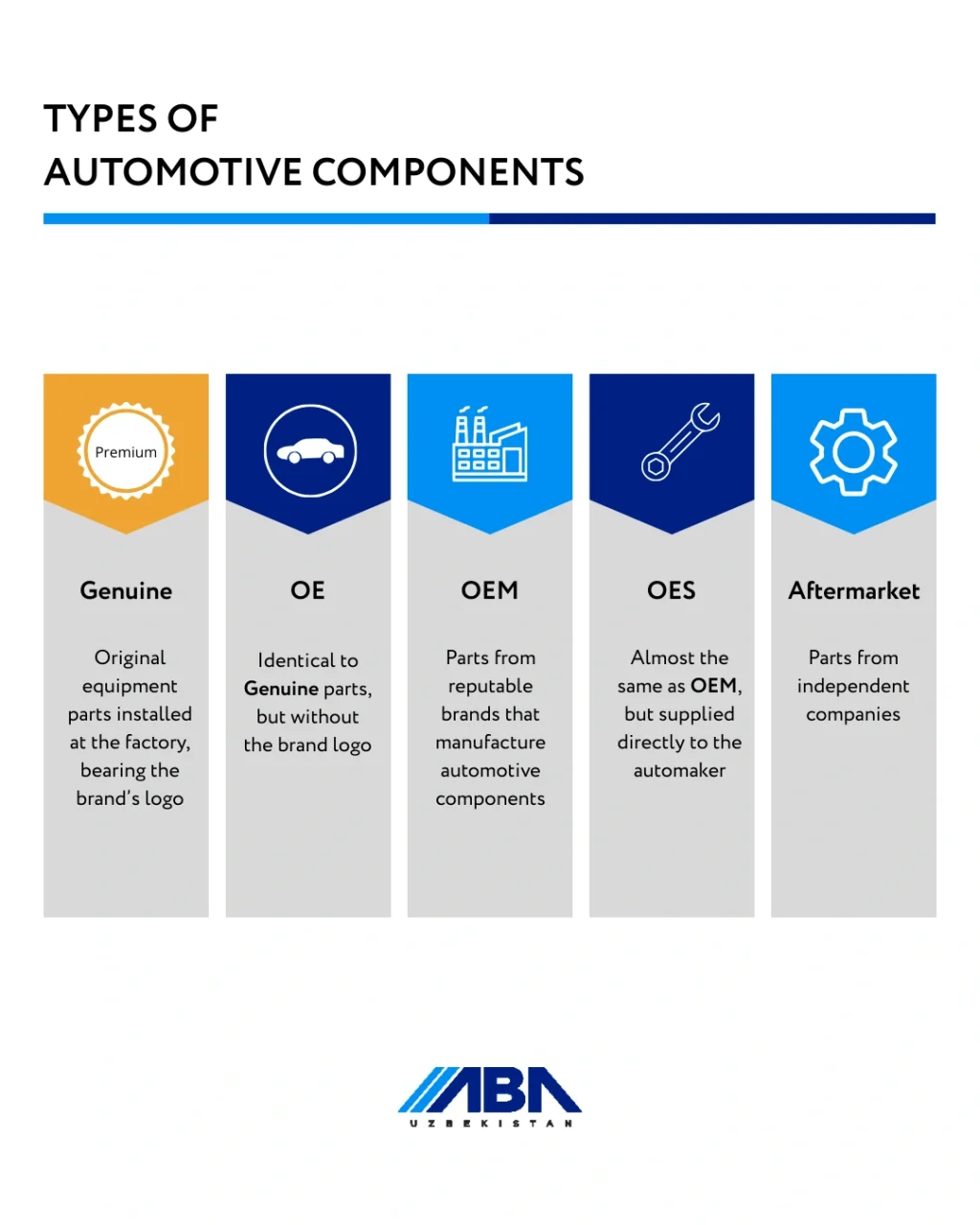
OEM stands for Original Equipment Manufacturer. That means the part comes from the same company that built your car’s computer in the first place. Aftermarket? That’s everything else — from big-name brands like Bosch or Denso to no-name sellers on sketchy websites. But here’s the thing: “OEM” doesn’t always mean better. Sometimes it means “we paid a premium for the logo.”
Take a modern ECU (Engine Control Unit). An OEM part might cost you $1,200. An aftermarket equivalent? Maybe $400. But the aftermarket unit might lack certain programming, or it could be a remanufactured board with a few new capacitors. The gamble is real.
When OEM is the only safe bet
For safety-critical systems — like airbag control modules, ABS computers, or steering angle sensors — OEM is often non-negotiable. Why? Because these parts are calibrated to your exact VIN. An aftermarket airbag module might not communicate properly with your car’s crash sensors. And in a collision? That’s not a risk worth taking.
Also, consider software. Modern cars are locked down tighter than a bank vault. Many OEM modules come pre-programmed with your vehicle’s specific firmware. Aftermarket units? You might need a dealer visit to flash them — and that costs time and money.
Where aftermarket shines (and where it stumbles)
Aftermarket electronics are a mixed bag. On one hand, you can find incredible value. For example, an aftermarket radio head unit might offer Apple CarPlay, better sound processing, and a larger screen than the OEM unit — for half the price. But for something like a transmission control module? Aftermarket parts often lack the nuanced shift logic that OEMs spend years tuning.
Let me give you a concrete example. I once replaced a BMW’s iDrive controller with an aftermarket unit. It worked… mostly. The scroll wheel felt slightly off, and the haptic feedback was inconsistent. It drove me nuts. But for a 2008 Honda Civic? An aftermarket ECU from a reputable brand? Totally fine.
The hidden costs you might not see
Price tags lie. An OEM part might cost more upfront, but it often includes a warranty that’s honored nationwide. Aftermarket warranties? They vary wildly. Some companies offer lifetime replacements; others give you 90 days and a shrug.
Then there’s the issue of compatibility. Modern vehicles use CAN bus systems, LIN networks, and proprietary protocols. An aftermarket part that’s “plug-and-play” might actually require splicing wires, coding, or even replacing connectors. That adds labor costs. And if you’re DIY-ing it? You might spend a weekend troubleshooting a ghost error code.
Key takeaway: Always check if the aftermarket part includes necessary adapters or harnesses. Some do. Some don’t. Read the fine print.
Quality tiers in the aftermarket world
Not all aftermarket parts are created equal. There’s a spectrum:
- OEM-remanufactured: Original cores rebuilt to spec. Often a good middle ground.
- OE-quality (like Bosch, Denso, Delphi): These brands supply OEMs anyway. Their aftermarket parts are often identical.
- Budget no-name: Cheap capacitors, poorly soldered boards. Avoid for critical systems.
- Performance aftermarket: Think racing ECUs or upgraded infotainment. Great for enthusiasts, but not for daily drivers.
Honestly, the sweet spot for most people is OE-quality aftermarket parts. You get the reliability without the dealer markup. But again — verify compatibility first.
Let’s talk about the elephant in the room: programming
Modern vehicle computers are not just hardware. They’re software-defined systems. An ECU, for instance, doesn’t just control fuel injection — it manages adaptive learning, emissions strategies, and even cybersecurity protocols. An aftermarket unit might have generic firmware that doesn’t account for your car’s specific options (like sunroof, heated seats, or tire pressure sensors).
Some aftermarket companies offer programming services. You send them your VIN, they flash the module, and ship it. That’s decent. But others expect you to do it yourself with a laptop and a J2534 cable. If you’re not comfortable with that… well, you might brick the module.
Pro tip: For modules like BCMs (Body Control Modules) or gateway modules, OEM is almost always safer. These parts handle everything from door locks to lighting to alarm systems. A mismatch can cause weird electrical gremlins.
A quick comparison table
| Factor | OEM | Aftermarket (OE-quality) | Aftermarket (Budget) |
|---|---|---|---|
| Price | High | Moderate | Low |
| Reliability | Excellent | Good | Risky |
| Warranty | Usually 1-2 years | Varies (often 1 year) | Often 90 days |
| Programming needed | Often pre-programmed | Sometimes required | Almost always required |
| Best for | Safety systems, luxury cars | Common repairs, older models | Non-critical parts |
Sourcing strategies: Where to buy
You can’t just Google “ECU for my car” and click the first link. Well, you can — but you might regret it.
For OEM parts, dealerships are the obvious choice, but online OEM parts retailers (like those that sell genuine GM or Ford parts) often offer discounts. Just verify they’re authorized. For aftermarket, stick with reputable distributors — RockAuto, FCP Euro, or even Amazon if the seller is verified. Avoid eBay for critical modules unless you’re experienced.
Here’s a little trick: Look for parts that come with a return policy that covers “no fault found.” Some modules might be DOA due to shipping damage. A good seller will swap it without hassle.
Current trends you should know
The aftermarket industry is evolving fast. More companies now offer “programmed-to-order” modules. You give them your VIN, and they load the correct software before shipping. That’s a game-changer. Also, some aftermarket brands are now using better components — like automotive-grade capacitors instead of consumer-grade ones. That means longer life.
But there’s a dark side: counterfeit parts. With supply chain issues, fakes are flooding the market. A counterfeit ECU might look identical but use inferior chips. It could fail in a year — or cause electrical fires. Always buy from authorized distributors, and check for holographic labels or QR codes.
The bottom line — for real this time
There’s no universal answer. For a 2019 Mercedes S-Class with adaptive cruise control? Go OEM. For a 2012 Ford F-150 radio? Aftermarket all the way. The decision hinges on three things: how critical the part is, how much you trust the aftermarket brand, and your willingness to deal with programming.
I’ve seen people save hundreds by choosing aftermarket — and I’ve seen them spend thousands fixing the consequences. The key is research. Read forums. Watch install videos. Call the seller and ask specific questions. If they sound unsure, walk away.
Modern cars are amazing — but they’re also fragile. Treat their computers with respect. And remember: sometimes the cheapest option ends up costing the most.
That’s the deal. No hype, no sales pitch — just the reality of sourcing electronics for the machines we rely on every day.
About Author